Beyond 5g:Reducing The Handover Rate For High Mobility Communications Presentation
| Introduction to Beyond 5G | ||
|---|---|---|
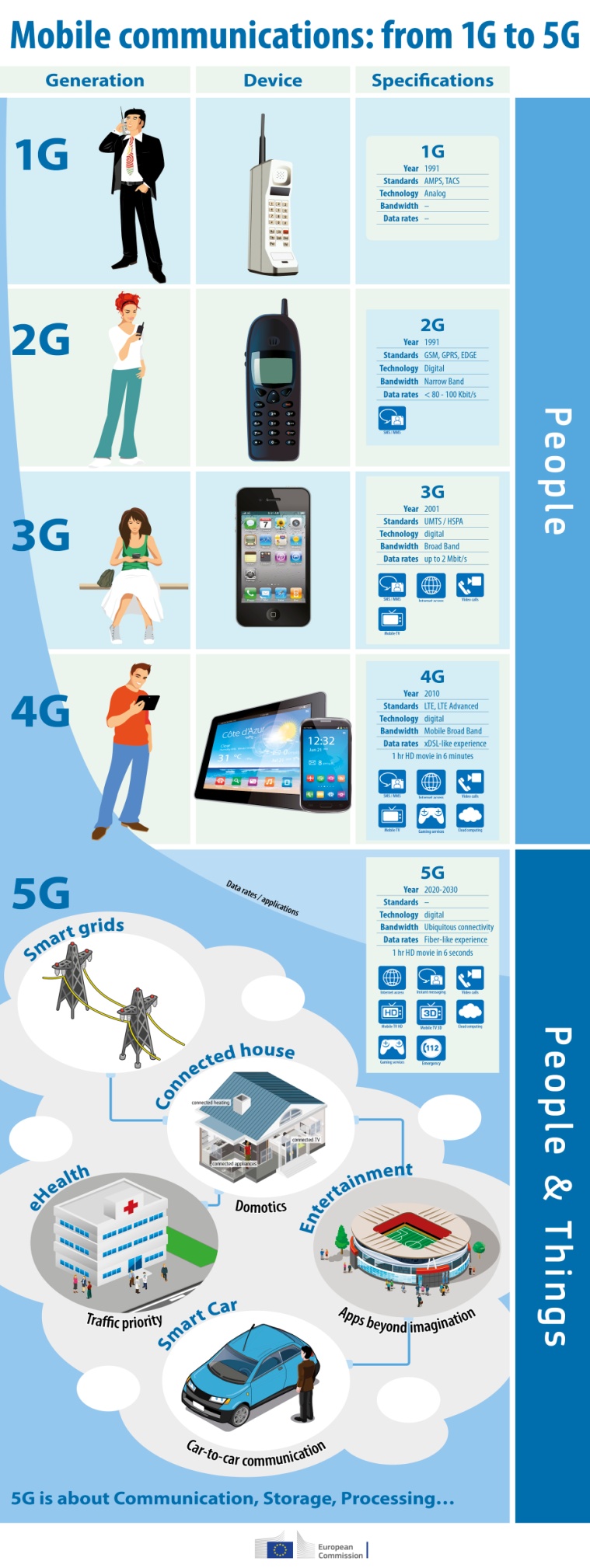
| Beyond 5G refers to the next generation of mobile communication networks. It aims to provide faster data rates, lower latency, and enhanced connectivity for high mobility communications. One key challenge in high mobility communications is reducing the handover rate. | ||
| 1 | ||
| Handover in Mobile Communications | ||
|---|---|---|
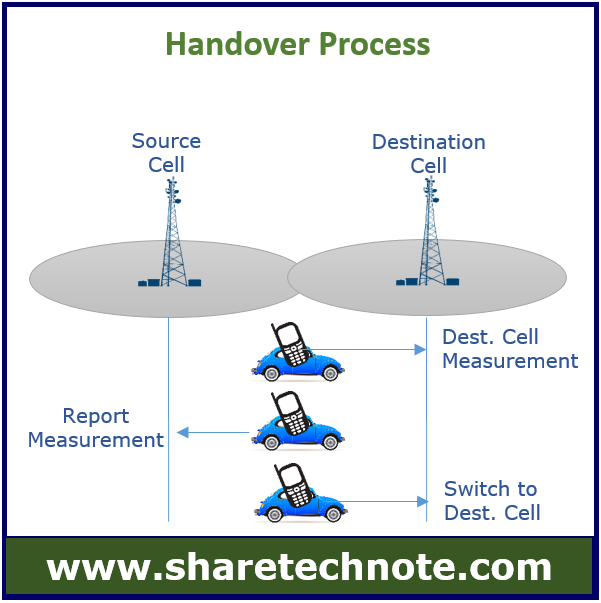
| Handover is the process of transferring an ongoing call or data session from one base station to another. High mobility scenarios, such as in vehicles or trains, require frequent handovers due to rapidly changing network coverage. Handovers can lead to service disruptions, latency, and packet loss, affecting user experience and overall system performance. | ||
| 2 | ||
| Limitations of Current Handover Techniques | ||
|---|---|---|
| Current handover techniques have limitations in high mobility scenarios. Handovers may take longer time, leading to higher latency and service interruptions. Increased handover rate can cause signaling overhead and impact network capacity. | ||
| 3 | ||
| Potential Solutions for Reducing Handover Rate | ||
|---|---|---|
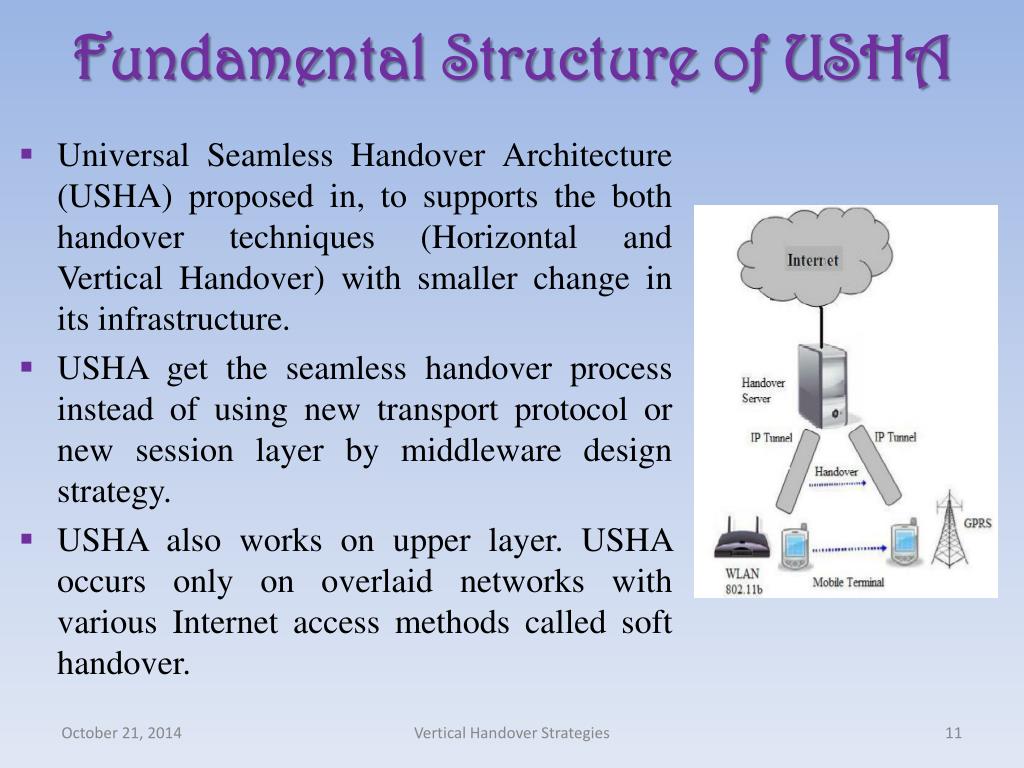
| Advanced Antenna Systems: Utilizing advanced antenna systems, such as Massive MIMO, can improve coverage and reduce the need for frequent handovers. Predictive Handover: Implementing predictive algorithms and machine learning techniques can anticipate handover requirements and initiate them proactively. Seamless Vertical Handover: Seamless vertical handover techniques enable smooth transitions between different network technologies, such as 5G, Wi-Fi, and satellite. |  | |
| 4 | ||
| Network-Assisted Handover Optimization | ||
|---|---|---|
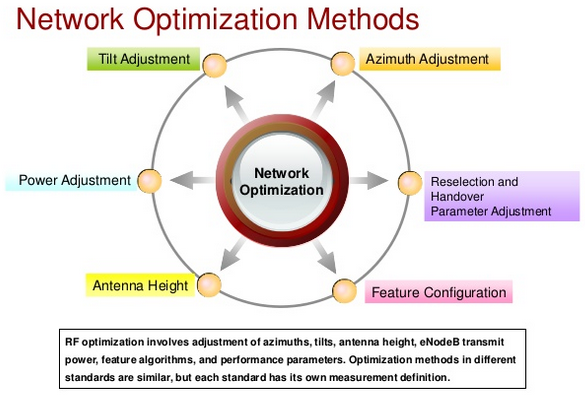
| Network-assisted handover optimization techniques use network intelligence to improve handover performance. Enhanced signaling and control mechanisms can reduce handover latency and signaling overhead. Dynamic allocation of network resources based on mobility patterns can optimize handover decisions. | ||
| 5 | ||
| Edge Computing for Handover Optimization | ||
|---|---|---|
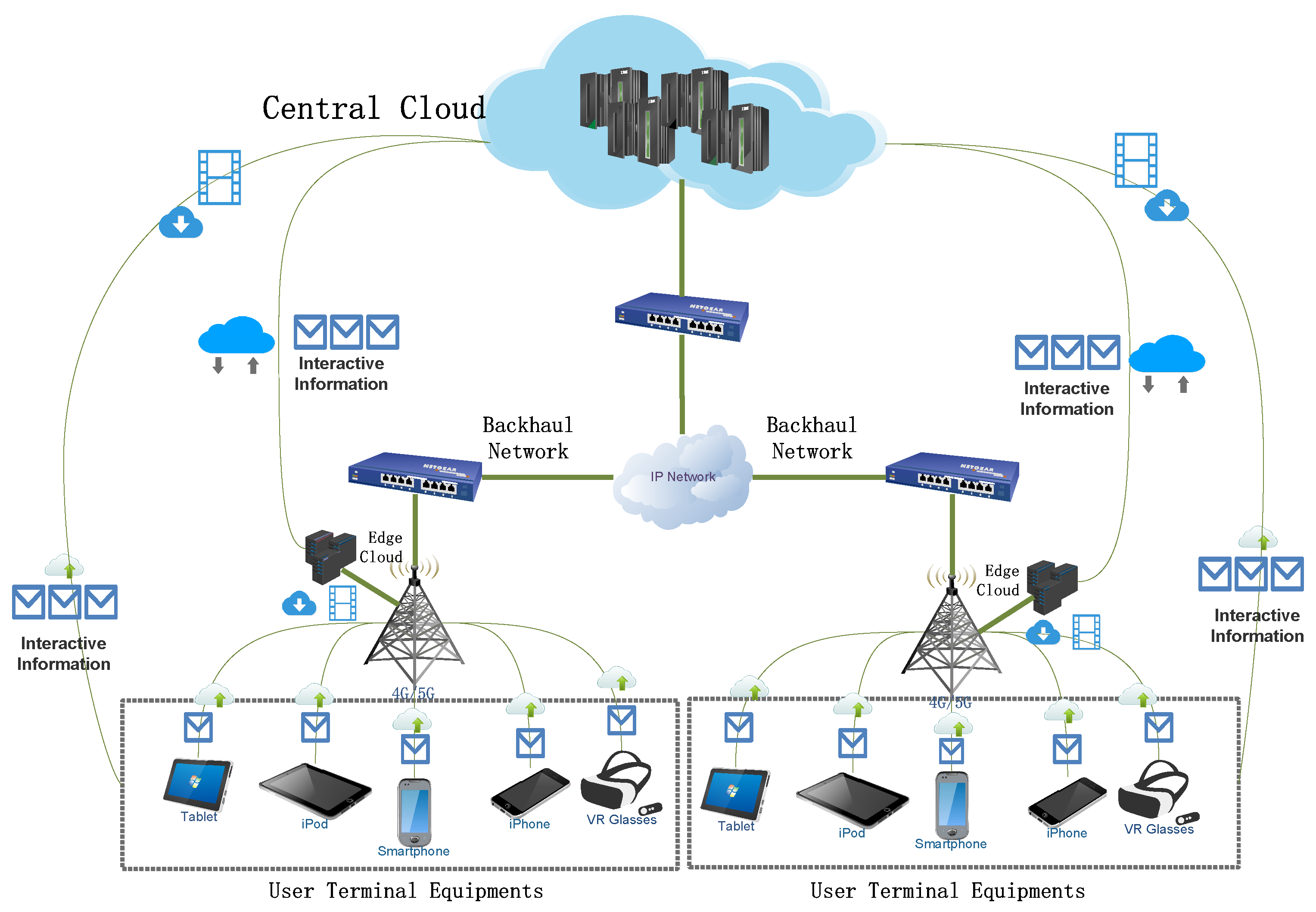
| Edge computing can be leveraged to offload handover decision-making to edge servers. By analyzing mobility patterns and network conditions at the edge, handover decisions can be made faster and more efficiently. Edge computing can also enable low-latency communication and real-time handover optimization. | ||
| 6 | ||
| Intelligent Caching for Handover Optimization | ||
|---|---|---|
| Intelligent caching techniques can minimize handover disruptions by pre-storing frequently accessed data at the edge. Caching content closer to the user reduces the need for frequent handovers to retrieve data from distant servers. Machine learning algorithms can predict user preferences and cache relevant content, further reducing handover latency. | ||
| 7 | ||

| Testbeds and Trials | ||
|---|---|---|
| Testbeds and trials are essential for validating and fine-tuning handover optimization techniques. Real-world deployments and experiments help identify challenges and evaluate the performance of proposed solutions. Collaboration between industry, academia, and standardization bodies is crucial for successful implementation of handover optimization in beyond 5G networks. | ||
| 8 | ||
| Conclusion | ||
|---|---|---|
| Reducing the handover rate is a critical aspect of high mobility communications in beyond 5G networks. Advanced antenna systems, predictive algorithms, seamless vertical handover, network-assisted optimization, edge computing, and intelligent caching are potential solutions. Testbeds and trials play a significant role in validating and refining these techniques for practical deployment. | ||
| 9 | ||

| References (download PPTX file for details) | ||
|---|---|---|
| [Insert relevant references here]... Your second bullet... Your third bullet... | | |
| 10 | ||